
Everest Base Camp Luxury Trek Cost in 2026 and 2027, Complete Budget Guide
6th Sep, 2026
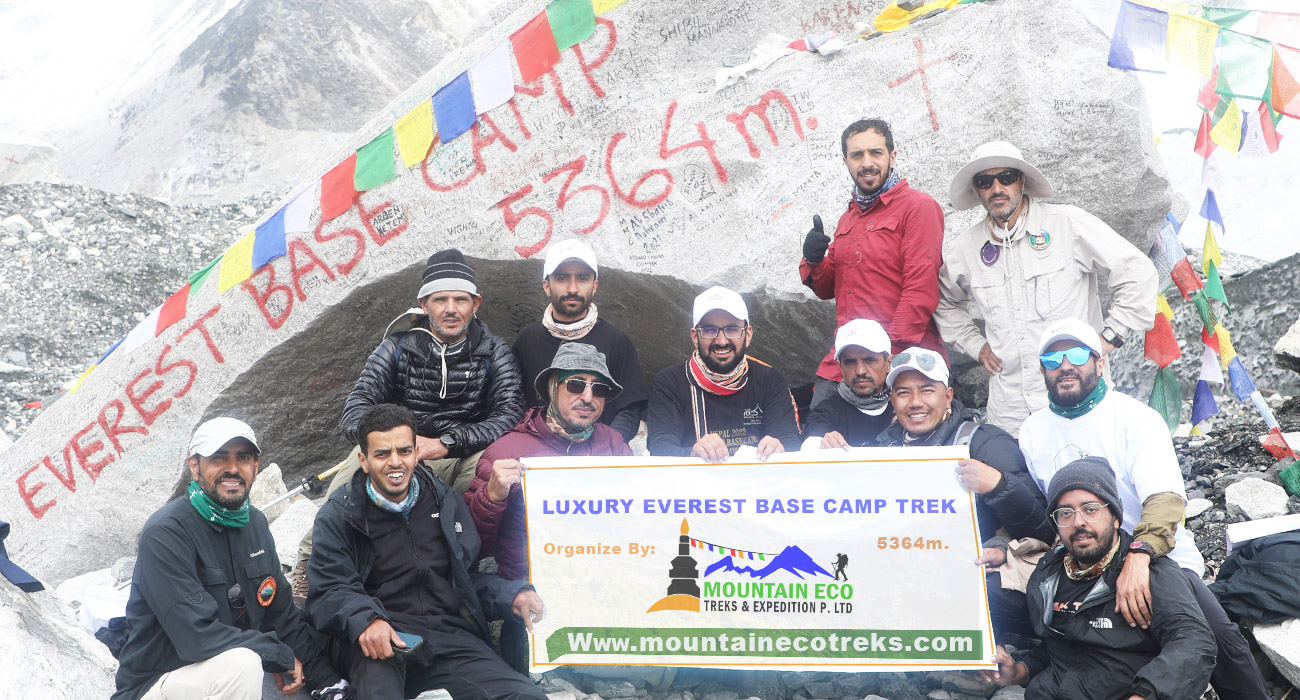
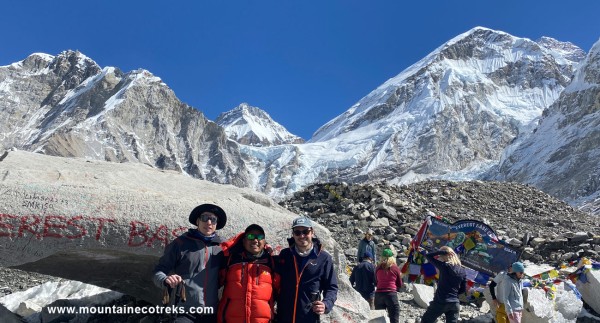
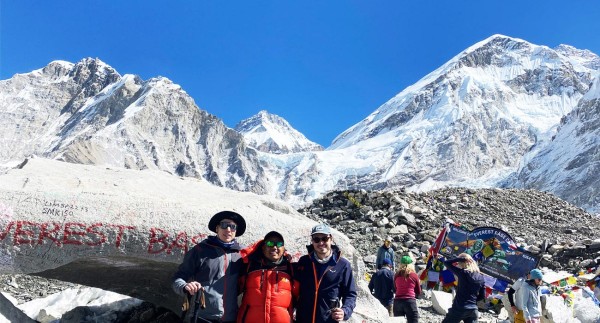
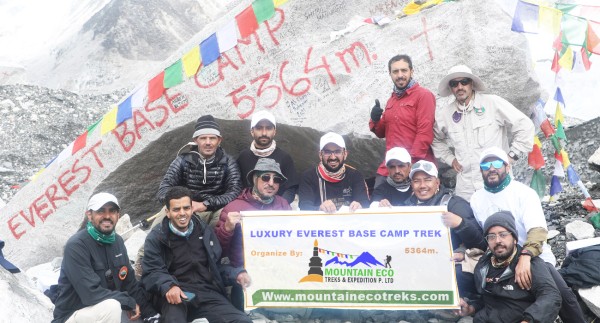
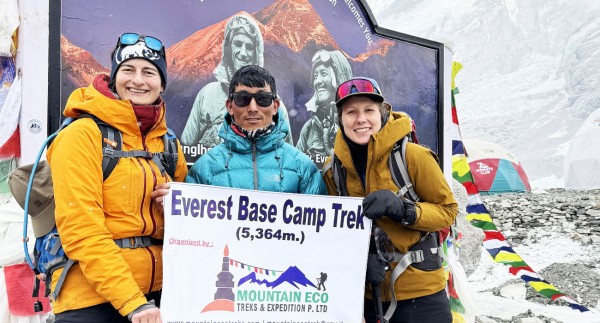
Everest Base Camp Luxury Trek Cost is one of the first things trekkers search for before booking this premium 11-day journey to the foot of the world's highest mountain. Unlike the standard teahouse route, the Everest Base Camp Luxury Trek combines helicopter flights, semi-luxury lodges, and gourmet meals with the same iconic trail through Namche Bazaar, Tengboche, Dingboche, and Everest Base Camp (5,364 m) itself, topped off by the sunrise hike to Kala Patthar (5,545 m). The overall price can vary a great deal depending on group size, the luxury or standard package tier, season, and whether both Lukla flights are taken by helicopter or fixed-wing plane.
Table of Contents
For trekkers planning an Everest Base Camp Luxury Trek in 2026 or an Everest Base Camp Luxury Trek in 2027, the main costs are the helicopter or flight transfers, permits, guide and porter services, premium lodge accommodation, and meals. Because this is a non-restricted region within Sagarmatha National Park, independent trekking is technically possible, but virtually all luxury travelers book through an agency to secure premium lodge rooms and helicopter slots. Companies such as Mountain Eco Treks handle the helicopter bookings, permits, and lodge reservations, which is especially valuable during the busy autumn season when premium rooms fill up quickly.
Quick Everest Base Camp Luxury Trek Cost Overview (2026–2027)
| Trek Type | Average Cost (USD) | Best For |
|---|---|---|
| Standard Package (11 days) | $2,399–$2,900 | Trekkers wanting a comfortable trek at a lower price point |
| Luxury Package (11 days) | $3,875–$4,600 | Travelers wanting full comfort with helicopter transfers |
| Small Private Group (2–4 people) | $3,900–$4,800 | Couples, friends, small groups sharing private guide costs |
| Premium Custom Itinerary (12–13 days) | $4,200–$5,500 | Trekkers wanting extra acclimatization or rest days |
Everest Base Camp Luxury Trek Cost varies based on season, group size, the luxury or standard tier you choose, and whether helicopter transfers are included on both legs of the journey. This guide breaks down each cost category so you can plan a realistic Everest Base Camp Luxury Trek budget for 2026 or 2027.
Everest Base Camp Luxury Trek Cost Breakdown
The Everest Base Camp Luxury Trek Cost divides into several categories, and understanding each one helps you compare packages properly rather than comparing advertised prices alone.
Required Permits for the Everest Base Camp Luxury Trek
The Everest Base Camp Luxury Trek passes through Sagarmatha National Park and the Khumbu Pasang Lhamu Rural Municipality, so two permits are required before starting the trail, along with a TIMS card on standard packages.
Required Permits
- Sagarmatha National Park Entry Permit
- Khumbu Pasang Lhamu Rural Municipality Entry Permit
Permit Fees in 2026 and 2027
| Permit | Cost |
|---|---|
| Sagarmatha National Park Permit | ~$22 for non-SAARC nationals |
| Khumbu Pasang Lhamu Rural Municipality Permit | ~$20 |
Total permit costs generally run around $40–$45 per person. Both permits are included in luxury and standard packages from Mountain Eco Treks, and are checked at multiple points along the trail, including at the entrance to Sagarmatha National Park near Monjo.
Kathmandu to Lukla Flight and Helicopter Cost
The Everest Base Camp Luxury Trek is defined by its use of helicopters rather than standard fixed-wing flights, which is one of the biggest differences between the luxury and standard tiers.
| Transport Option | Approximate Cost |
|---|---|
| Kathmandu–Lukla helicopter flight, one way (luxury package) | Bundled into package price |
| Gorak Shep–Kathmandu helicopter return (luxury package) | Bundled into package price |
| Kathmandu–Lukla fixed-wing flight, round trip (standard package) | Bundled into package price |
| Shared helicopter Gorak Shep–Lukla (standard package) | Bundled into package price |
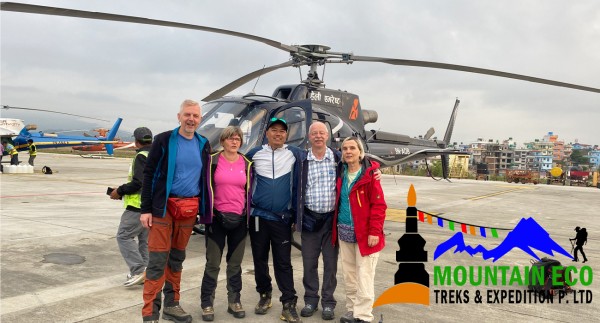
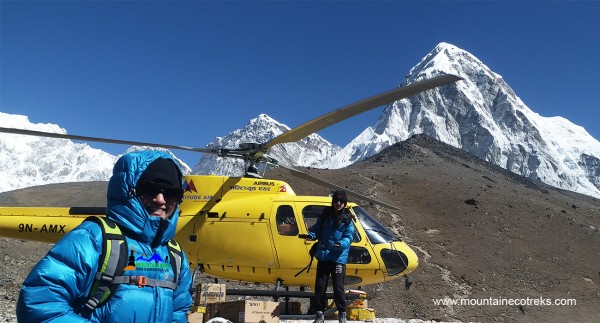
On the luxury package, both the inbound flight to Lukla and the return leg from Gorak Shep are by helicopter, cutting out several days of walking back down the valley and offering some of the best aerial views of the Khumbu region. The standard package instead uses a conventional Kathmandu–Lukla flight (sometimes rerouted via Ramechhap during peak season) with a shared helicopter flight only from Gorak Shep to Lukla. This difference in transport is one of the main reasons the luxury package costs significantly more than the standard tier.
Guide and Porter Cost
A licensed guide is included as standard on both package tiers of the Everest Base Camp Luxury Trek, along with dedicated porter support so trekkers only need to carry a light daypack.
Guide and Porter Structure
| Service | Ratio |
|---|---|
| Licensed English-speaking guide | 1 per group |
| Assistant guide | 1 per 5 trekkers |
| Porter | 1 porter per 2 trekkers (15 kg limit) |
Guide, porter, and assistant guide costs, including their wages, meals, accommodation, and insurance, are bundled into both the luxury and standard package prices rather than charged separately. This is one of the clearest advantages of booking a full package versus arranging guides and porters independently, since it removes the guesswork around daily guide and porter rates common on other Everest region treks.
Accommodation Cost on the Everest Base Camp Luxury Trek
Accommodation is where the luxury and standard packages diverge most sharply. On the luxury tier, trekkers stay at well-known premium lodges including Yeti Mountain Home in Phakding and Namche Bazaar, Hotel Rivendell in Deboche, Dingboche Resort, Hotel Oxygen Altitude in Lobuche, and Hotel Everest Inn in Gorak Shep, plus a 5-star Kathmandu hotel such as Hotel Aloft.
| Accommodation Type | Package |
|---|---|
| 5-star Kathmandu hotel (2 nights, with breakfast) | Luxury |
| Premium lodges with private/en-suite rooms where available | Luxury |
| 3-star Kathmandu hotel (2 nights, with breakfast) | Standard |
| Standard mountain lodges (7 nights) | Standard |
Luxury lodges offer warm dining rooms, comfortable beds with duvets, attached bathrooms and hot showers at lower elevations, and Wi-Fi, while facilities naturally become more basic at higher elevations such as Gorak Shep, though still the best available option at that altitude. Both accommodation packages are fully bundled into the overall Everest Base Camp Luxury Trek cost.
Food and Drinks Cost
Meals during the trek are included in both packages, but the luxury tier emphasizes a more varied, gourmet dining experience at the premium lodges along the route.
| Meal Component | Included In |
|---|---|
| Breakfast, lunch, dinner during trek | Both luxury and standard packages |
| Tea and coffee during trek | Both luxury and standard packages |
| Welcome and farewell dinner in Kathmandu | Luxury and standard packages |
| Lunch and dinner in Kathmandu | Excluded from both packages (aside from welcome/farewell dinners) |
Because meals are included in the package price rather than paid daily, the Everest Base Camp Luxury Trek cost is more predictable than on treks where food is purchased teahouse by teahouse. Extra snacks, soft drinks, and alcoholic beverages remain a personal expense on both tiers.
Travel Insurance Cost
Travel insurance is mandatory for the Everest Base Camp Luxury Trek and must specifically cover high-altitude trekking above 5,000 m, since the highest point of the trek, Kala Patthar, reaches 5,545 m.
What Your Insurance Should Cover
- Trekking up to at least 5,500 m altitude
- Helicopter evacuation and rescue
- Hospital and medical expenses
- Trip cancellation and delay coverage
A suitable policy typically costs $100–$250 depending on your home country, trip length, and age, and a helicopter evacuation from the Everest region without insurance can exceed $5,000–$7,000. Reputable providers covering Himalayan trekking include World Nomads, Allianz Global Assistance, and IMG Global. Confirm coverage explicitly includes high-altitude trekking and helicopter rescue before booking your Everest Base Camp Luxury Trek in 2026 or 2027.
Trekking Gear and Equipment Cost
The Everest Base Camp Luxury Trek reaches 5,545 m at Kala Patthar, so cold-weather gear is essential, though the luxury and standard packages both provide a duffel bag, sleeping bag, and down jacket for the duration of the trek.
Essential Gear List (in addition to package-provided items)
- Warm base layers and thermal underwear
- Waterproof trekking pants and jacket
- Ankle-support trekking boots, broken in before departure
- Warm gloves, fleece hat, and a buff or neck warmer
- Sunglasses, high-SPF sunscreen, and a headlamp
- Trekking poles
| Gear Option | Approximate Cost |
|---|---|
| Renting remaining gear in Kathmandu | $80–$250 |
| Buying new gear in Kathmandu | $300–$1,200+ |
Thamel in Kathmandu is the easiest place to rent or buy any additional gear before the trek begins. Since a duffel bag, sleeping bag, and down jacket are already provided as part of the package, most trekkers only need to bring or rent clothing layers and personal items.
Everest Base Camp Luxury Trek Cost by Package Type
Standard Package: $2,399–$2,900
The standard 11-day package includes airport transfers, 2 nights at a 3-star Kathmandu hotel, 7 nights of standard mountain lodge accommodation, round-trip Kathmandu–Lukla flights with a shared helicopter return from Gorak Shep, all trekking permits and TIMS card, a licensed guide and porter team, meals during the trek, and welcome and farewell dinners.
Luxury Package: $3,875–$4,600
The luxury 11-day package upgrades to a 5-star Kathmandu hotel, premium lodge stays such as Yeti Mountain Home, Hotel Rivendell, and Dingboche Resort, helicopter transfers on both the Kathmandu–Lukla and Gorak Shep–Kathmandu legs, and additional trekking gear provided for the trip, all built around the same acclimatization schedule and route as the standard trek.
Small Group or Private Departure: $3,900–$4,800
Traveling as a couple or in a small private group keeps the same luxury inclusions while allowing more flexibility around departure dates, though per-person costs stay close to the standard luxury package price since guide, porter, and helicopter costs are already bundled per person rather than shared.
Premium Custom Itinerary: $4,200–$5,500
Trekkers who want extra buffer days for weather delays, additional acclimatization time, or a slower pace between Dingboche and Lobuche can extend the standard 11-day luxury itinerary to 12–13 days for added comfort and flexibility.
Everest Base Camp Luxury Trek Itinerary (11 Days)
| Day | Route | Altitude | Duration |
|---|---|---|---|
| Day 1 | Arrival in Kathmandu | 1,400 m | — |
| Day 2 | Helicopter flight to Lukla, trek to Phakding | 2,610 m | 3–4 hours |
| Day 3 | Trek to Namche Bazaar | 3,440 m | 6–7 hours |
| Day 4 | Acclimatization day – hike to Everest View Hotel | 3,880 m | 3–4 hours |
| Day 5 | Trek to Tengboche | 3,867 m | 5–6 hours |
| Day 6 | Trek to Dingboche | 4,410 m | 5–6 hours |
| Day 7 | Acclimatization day – hike to Nagarjun Hill | 5,100 m | 4–5 hours |
| Day 8 | Trek to Lobuche | 4,940 m | 5–6 hours |
| Day 9 | Trek to Everest Base Camp, return to Gorak Shep | 5,364 m | 7–8 hours |
| Day 10 | Hike to Kala Patthar, helicopter flight to Kathmandu | 5,545 m | 2–3 hours |
| Day 11 | Final international departure | 1,400 m | — |
The two acclimatization days, at Namche Bazaar (3,880 m via the Everest View Hotel hike) and Dingboche (5,100 m via Nagarjun Hill), are built into the itinerary to help trekkers adjust properly before pushing on toward Everest Base Camp and the pre-dawn climb to Kala Patthar, the highest and most iconic viewpoint of the entire trek.
Hidden Costs of the Everest Base Camp Luxury Trek
Even with a comprehensive package, small daily expenses can add to the overall Everest Base Camp Luxury Trek cost if not planned for in advance.
Common Extra Expenses
- Hot showers and Wi-Fi where not already included at higher-altitude lodges
- Device charging at higher elevations
- Alcoholic and non-alcoholic beverages, including bottled water
- Lunch and dinner in Kathmandu (aside from welcome and farewell dinners)
- Tips for guide and porter (recommended but not included)
- Extra costs from flight or helicopter delays due to weather
Estimated hidden costs typically run $150–$350 for the full trip. Carrying a power bank and a reusable water bottle reduces some of these costs, since water purification and boiled water are generally available at the lodges.
How to Save Money on the Everest Base Camp Luxury Trek
Money-Saving Tips
- Compare the standard and luxury package tiers carefully, since the standard tier still includes a guide, porter, and permits at a notably lower price
- Book well in advance for spring and autumn departures, since premium lodge rooms and helicopter slots fill up quickly
- Travel as a small private group to keep more control over your departure date without the premium of a fully private helicopter charter
- Book directly with a reputable local operator like Mountain Eco Treks rather than an international reseller
- Purchase travel insurance early so trip cancellation cover applies from the date of purchase
Because most major costs are bundled into the package price, the clearest way to manage your Everest Base Camp Luxury Trek cost is deciding upfront whether the full luxury tier, with double helicopter transfers and premium lodges, is worth the difference over the standard package for your travel style.
Best Time to Trek the Everest Base Camp Luxury Trek
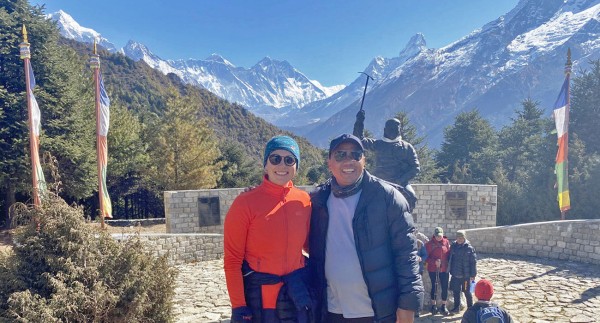
Autumn (September–November) offers some of the clearest mountain visibility of the year, with crisp air and stunning panoramic views of Everest and the surrounding peaks, though premium lodges and helicopter slots book up quickly.
Spring (March–May) is equally popular, with blooming rhododendrons, mild temperatures, and clear skies making it the most popular season overall.
Winter (December–February) is possible but comes with extreme cold and possible trail closures at higher elevations.
Monsoon (June–August) brings heavy rainfall and leeches on the lower trails and is generally not recommended for the luxury experience.
Physical Fitness Required for the Everest Base Camp Luxury Trek
The trek is rated moderate to challenging, with 4–7 hours of walking most days on well-marked trails through forests, suspension bridges, and rocky moraine. The main physical challenge isn't the terrain but the altitude, since most of the route sits above 3,500 m. It's recommended to begin training 8–12 weeks before departure, focusing on cardiovascular endurance through hiking, running, or cycling several times a week, along with leg, core, and back strength work. Porters carry the main duffel bag, so trekkers only need to manage a light daypack on the trail itself.
Is the Everest Base Camp Luxury Trek Worth the Cost?
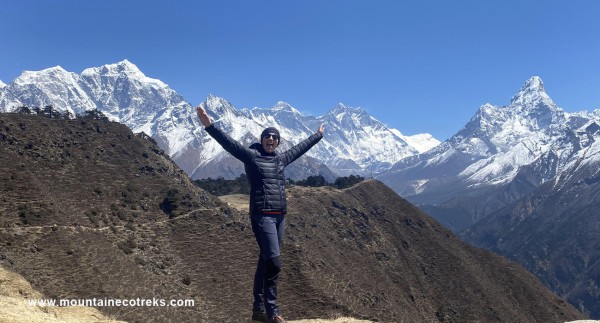
For most travelers, yes. The Everest Base Camp Luxury Trek Cost buys comfortable sleep, gourmet meals, and helicopter transfers on both ends of the journey, alongside the same iconic views of Everest, Nuptse, Lhotse, and Ama Dablam that draw trekkers to this route every year. Better rest and nutrition at altitude translate directly into a more enjoyable trek, and the helicopter return from Gorak Shep saves three to four days of walking compared to the standard route back to Lukla, making it especially appealing for travelers with limited time.
Everest Base Camp Luxury Trek FAQs
1. How much does the Everest Base Camp Luxury Trek cost in 2026 and 2027?
The standard 11-day package typically costs $2,399–$2,900 per person, while the luxury package with double helicopter transfers runs $3,875–$4,600, and premium custom itineraries can reach $5,500.
2. What's the difference between the standard and luxury package?
The luxury package includes a 5-star Kathmandu hotel, premium lodges along the trail, and helicopter flights on both the Kathmandu–Lukla and Gorak Shep–Kathmandu legs, while the standard package uses 3-star Kathmandu accommodation, standard mountain lodges, and a conventional Lukla flight with only a shared helicopter return.
3. What permits do I need for the Everest Base Camp Luxury Trek?
You need the Sagarmatha National Park Entry Permit and the Khumbu Pasang Lhamu Rural Municipality Entry Permit, both included in the package price.
4. How many days does the Everest Base Camp Luxury Trek take?
The standard itinerary runs 11 days including arrival and departure, though some trekkers extend it to 12–13 days for extra acclimatization or buffer time.
5. How difficult is the Everest Base Camp Luxury Trek?
It's rated moderate to challenging, mainly due to the altitude rather than the terrain, with a maximum elevation of 5,545 m at Kala Patthar.
6. When is the best time to do the Everest Base Camp Luxury Trek?
Spring (March–May) and autumn (September–November) offer the clearest skies and most stable weather, though both are popular and require early booking.
7. Is travel insurance required for the Everest Base Camp Luxury Trek?
Yes, and it must cover high-altitude trekking above 5,000 m along with emergency helicopter evacuation, which is mandatory for booking.
8. What's included in the Everest Base Camp Luxury Trek package?
Both tiers include airport transfers, Kathmandu hotel accommodation, domestic flights or helicopter transfers, trekking permits, a licensed guide and porter team, meals during the trek, and welcome and farewell dinners in Kathmandu.
9. Is the Everest Base Camp Luxury Trek suitable for beginners?
Yes, reasonably fit beginners can complete it as long as they take the built-in acclimatization days seriously and don't rush the pace, since no prior climbing experience is required.
10. Are helicopter flights included in the Everest Base Camp Luxury Trek?
Yes, on the luxury package both the inbound flight to Lukla and the return flight from Gorak Shep to Kathmandu are by helicopter; the standard package includes a conventional flight to Lukla and only a shared helicopter flight from Gorak Shep.
Final Thoughts
The Everest Base Camp Luxury Trek Cost may look significant compared to a basic teahouse trek, but for most travelers the comfort of premium lodges, gourmet meals, and helicopter transfers on both ends of the journey makes it a genuinely different experience from the standard route, without changing the itinerary's core highlights of Namche Bazaar, Tengboche Monastery, Everest Base Camp, and the sunrise from Kala Patthar.
For trekkers planning an Everest Base Camp Luxury Trek in 2026 or 2027, booking well ahead of the peak spring and autumn seasons is worthwhile, since premium lodges and helicopter slots are limited. Mountain Eco Treks can arrange your helicopter transfers, permits, guide, and full logistics, making this premium Himalayan journey a comfortable and stress-free experience from arrival to departure.
Recent From Blog

19th Apr, 2019


23rd Dec, 2018

11th Jan, 2024

14th Jan, 2024

29th Jan, 2025

11th Feb, 2025

18th Feb, 2025

25th Feb, 2025

5th Apr, 2025
23rd Dec, 2025
9th May, 2026
12th Jul, 2026

13th Aug, 2026
13th Aug, 2026
13th Aug, 2026

16th Aug, 2026
20th Aug, 2026


11th Sep, 2026
24th Sep, 2026
25th Sep, 2026
5th Oct, 2026
6th Oct, 2026
11th Oct, 2026